Living in Florida means enjoying beautiful sunny days, palm trees, and a laid-back lifestyle. But it also means harsh weather conditions that can take a toll on your car’s paint. From scorching heat to daily rain, Florida’s weather is no friend to your vehicle’s exterior. Without the right protection, your car’s paint job can suffer from fading, oxidation, rust, and even peeling. But don’t worry—there are ways to protect your car and keep it looking shiny and new, despite Florida’s challenging climate.
Understanding Florida’s Climate
Before we dive into how Florida’s weather impacts your car’s paint, it’s important to understand the climate. Florida’s tropical climate is characterized by:
- High Heat and Humidity: Year-round hot temperatures, combined with high humidity, create the perfect environment for paint damage.
- Frequent Rain and Hurricanes: Heavy rain showers and the occasional hurricane add moisture to the air, which can affect your vehicle.
- Salt from the Ocean Breeze: If you’re near the coast, the salty ocean air can contribute to corrosion on your car.
All of these elements work together to slowly deteriorate your car’s paint, making it crucial to understand the risks and take proper precautions.
How Heat Affects Car Paint
One of the most significant factors in Florida’s climate is the heat. While it’s nice to have sunny weather most of the year, direct exposure to the sun’s powerful UV rays can cause your car’s paint to fade over time.
- Sun Exposure and UV Rays: The Florida sun is strong, and when your car is parked outside for long periods, UV rays can break down the paint’s pigments. Over time, this leads to fading and discoloration, leaving your car looking old and dull.
- Fading and Oxidation of Paint: The longer your car is exposed to intense sunlight, the more prone it becomes to oxidation. Oxidation occurs when the paint reacts with oxygen, causing it to lose its luster and appear faded. This is especially noticeable on darker-colored vehicles.
- The Role of Clear Coat Protection: Most modern vehicles have a clear coat over the paint to protect it from the elements. However, this clear layer can wear down over time, especially under constant exposure to Florida’s sun. Without this protection, the underlying paint is left vulnerable.
The Impact of Humidity on Car Paint
Florida’s humidity is notorious, and it’s not just uncomfortable for people—it’s also damaging to your car’s paint.
- The Formation of Water Spots: When moisture in the air settles on your car’s surface, it can leave behind water spots. If left unchecked, these spots can stain your paint and become difficult to remove.
- Increased Rust and Corrosion Risk: Humidity accelerates the rusting process, especially if your car’s paint is chipped or damaged. This can lead to unsightly rust spots on your vehicle, particularly in areas where water tends to pool or drip.
The Role of Rain and Hurricanes
Rainfall in Florida is frequent, and during the summer months, thunderstorms and hurricanes can be almost daily occurrences.
- Acid Rain and Its Effects on Paint: Florida’s rain, though refreshing, can be harmful to your car’s paint. Acid rain, which is rain that contains sulfuric and nitric acids, can cause corrosion and pitting in the paint over time. This type of damage is often irreversible, leaving permanent marks on your car’s surface.
- Water Damage and Streaking: When rainwater evaporates, it can leave streaks and marks on your car’s paint. If left for too long, these stains can be difficult to remove and affect your vehicle’s appearance.
Salt from the Ocean and Its Impact on Paint
If you live near the coast, salt from the ocean breeze can be an additional threat to your car’s paint.
- Saltwater Corrosion: Salt is highly corrosive, and when it settles on your car, it can quickly start to break down the paint. Over time, this salt buildup can cause the metal parts of your vehicle to rust, especially in areas where the paint is chipped or thin.
- How Salt Affects Paint Layers and Metal Components: When salt comes into contact with your car’s surface, it can erode the paint’s protective layers. This can lead to peeling, fading, and an overall deterioration of your vehicle’s exterior.
Environmental Factors and Their Cumulative Effects
When you combine heat, humidity, rain, and salt, the damage to your car’s paint can be cumulative. Each element works together to weaken the protective layers, causing irreversible damage if not addressed.
Why You Need Protective Measures for Your Car’s Paint
Fortunately, there are ways to protect your car’s paint from Florida’s harsh elements. Here are a few protective measures that can make a big difference:
- The Benefits of Ceramic Coatings: Ceramic coatings form a durable, hydrophobic layer over your car’s paint that repels water, dirt, and contaminants. These coatings also offer UV protection, helping to prevent fading and oxidation caused by the sun.
- Waxing and Sealants: Regular waxing can create a protective layer that shields your car’s paint from environmental factors. Sealants, on the other hand, provide long-lasting protection, making it easier to clean your car and keep it looking pristine.
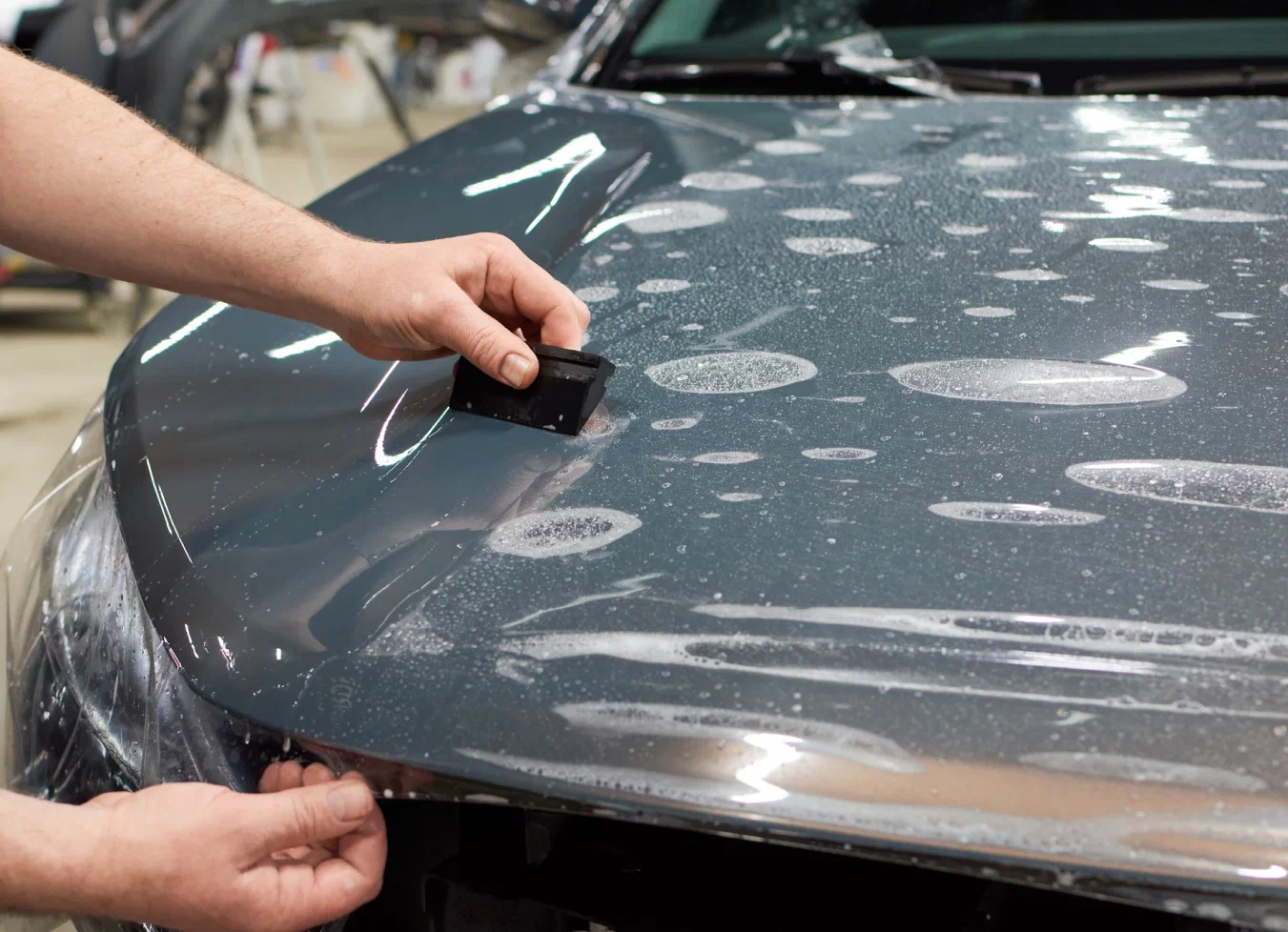
- Paint Protection Films (PPF): PPF is a transparent film that is applied to your car’s paint to protect it from scratches, chips, and fading. It’s a great option if you want extra protection, especially for the front of your vehicle where rock chips are more common.
How to Protect Your Car in Florida’s Harsh Weather
Here are a few practical tips to keep your car’s paint protected from the elements:
- Parking in the Shade and Covered Areas: Whenever possible, park your car in the shade or under a carport. This reduces the direct exposure to the sun’s rays and minimizes the risk of paint fading.
- Regular Car Washing and Detailing: Regularly wash and detail your car to remove dirt, salt, and contaminants. Pay special attention to the undercarriage, as salt buildup can cause corrosion.
- Applying Professional-Grade Paint Protection: If you want to go the extra mile, consider applying professional-grade paint protection like ceramic coatings or PPF. These products offer long-lasting protection and keep your car’s paint looking fresh.
Conclusion
Florida’s weather is undeniably tough on your car’s paint. However, with the right protection and regular care, you can keep your car looking shiny and new for years to come. Don’t let the heat, humidity, or salt take a toll on your investment. Protect your car’s paint with the right products and maintenance, and enjoy the beautiful weather without the worry.
FAQs
How often should I wax my car in Florida?
In Florida, it’s recommended to wax your car every 2-3 months to provide ongoing protection from the sun and humidity.
Can ceramic coatings prevent fading in the Florida sun?
Yes, ceramic coatings offer excellent UV protection and help prevent paint fading caused by prolonged sun exposure.
Is it worth getting Paint Protection Film for my car?
If you want top-tier protection, Paint Protection Film (PPF) is worth it, especially for high-impact areas like the hood, bumper, and side mirrors.