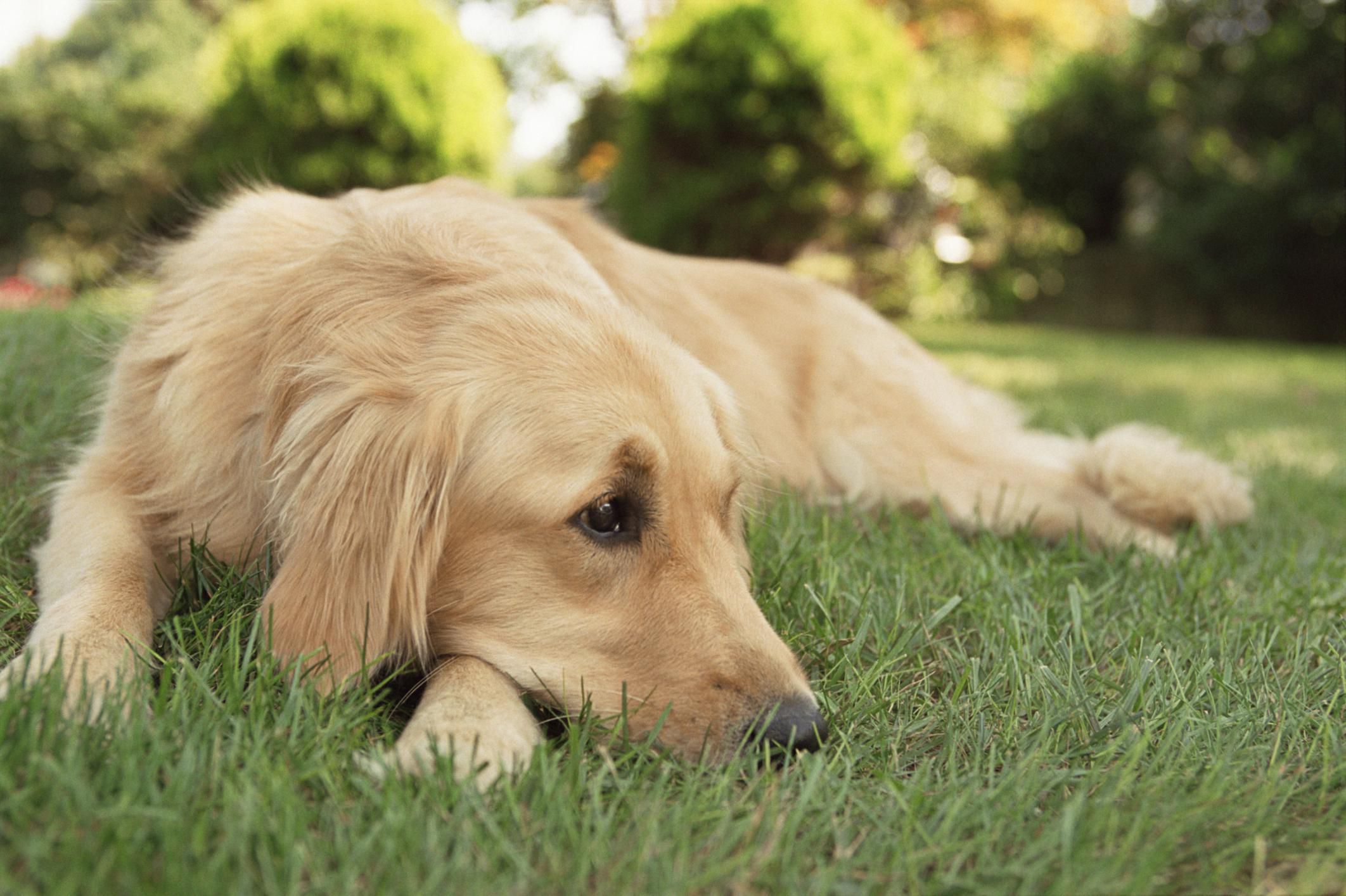
Does your dog find it difficult to be left alone at home? Is he acting destructively and maybe causing himself harm? Most likely, your dog is anxious about being alone. It’s a fairly typical behavioral problem that affects many breeds. Canine training, however, alleviate separation anxiety?
We’re happy to inform you that there are, in fact, some strategies you can use to assist your dog in overcoming their fear of being left alone. You may be shocked to learn that dog training is at the center of every solution. Now let’s talk about some practical steps you can do to support your dog in overcoming separation anxiety.
What is Dog Separation Anxiety?
When your dog gets overly attached to you and experiences severe stress when you leave them, they may develop separation anxiety. Beyond whining, a dog with severe separation anxiety shows signs. It does get far more serious than that, in fact. Dogs behave in this manner for a variety of reasons. Typically, it’s related to first-time alone experiences, multiple ownership changes for a dog, routine adjustments, relocating from a shelter to a home, or the death of a family member.
The treatment is simple if the issue isn’t too serious, but it might take some time to break the habit. Dogs with extremely severe separation anxiety will require longer-term therapy. Are you unsure whether your dog is suffering from separation anxiety? Let’s examine a few of the typical signs.
What are Common Signs of Separation Anxiety in Dogs?
If your dog is left alone for a period of time while experiencing separation anxiety, they might have one or more of these symptoms:
Howling, Barking & Whining
Indeed, some dogs are just very talkative. For hours on end, however, a dog suffering from severe separation anxiety may bark, howl, or whine. This may impact more people than just you and your dog if you live in an apartment. The constant barking, howling, or whining may cause your dog to become hoarse.
Having Accidents Even Though Housebroken
Even though you know your dog can hold it for longer than you were gone, accidents upon returning home could be a sign of anxiety in them. Dogs have to urinate when they get agitated. Your dog already knows you won’t be pleased when you get home, so there will be more mess in your house. He could get even more stressed out over this.
Installing a dog door would be one way to solve this issue and allow your dog to relieve himself outside when necessary. By allowing your dog to relieve some of his tension and anxiety, a pet door may help prevent certain problem behaviors.
Destruction
Arriving home to a complete mess? Anxious dogs can turn destructive. We’re talking about doors that have been scratched, holes in the wall, stuffing taken out of couch cushions, and overturned trash. There’s no end to what a scared dog will do.
Drooling and Panting
This is one of the most typical signs of a stressed dog. It’s possible to experience excessive drooling and panting despite the controlled temperature. Drool puddles, drips on the floor, and other things could be discovered. After an incident of this nature, make sure your dog drinks plenty of fluids.
Pacing
Some dogs may pace the room or the entire house if their nerves get the better of them. You might be able to see this odd behavior if you have a camera.
Escaping
When a dog experiences extreme anxiety, they may go into flight mode. In other words, they’ll stop at nothing to get out of their crate, the room, or the entire house. It’s true that dogs have been known to chew through walls, burst through doors, and worse. This is dangerous for your dog. In addition, it puts other people’s and animals’ lives in danger if they jump in front of a car or come across a pet strolling down the sidewalk. Dogs under stress can act erratically.
Why Does My Dog Have Separation Anxiety?
It’s not totally clear why dogs experience separation anxiety. There exist theories explaining why certain dogs experience separation anxiety while others do not. It appears that separation anxiety symptoms are more common in dogs adopted from shelters. This has given rise to the theory that a dog may become anxious due to a change in friendship or guardianship.
It’s also thought that a dog’s separation anxiety may be exacerbated by changes in routine, place of residence, or family members.
Possible Medical Issues
If you think your dog may have separation anxiety, it’s possible that they have an untreated medical condition. Your dog might be experiencing something that you are not aware of if they are drooling, panting, or experiencing incontinence. Make sure your dog isn’t experiencing any health problems by taking him to the veterinarian.
Make sure to start a log of the symptoms you are experiencing and their severity before visiting your veterinarian. Give your veterinarian this information to help rule out any health issues.
What to Do When Your Dog Has Separation Anxiety
These are a few tactics that are frequently recommended to assist dogs who are experiencing separation anxiety. You can use a combination of techniques to help your dog overcome separation anxiety, or your dog may respond better to just one of these.
Offer Lots of Stimulation
Keeping dogs occupied is one strategy to help them overcome their separation anxiety. Take them for a walk before you leave the house. If your dog is an active dog, you might want to use a weighted doggie backpack. This may provide the extra push an active dog needs. The goal is to exhaust them so they can get some rest while you’re away.
Additionally, make sure your dog has something to think about while you’re gone. To help them stay busy, give them a Kong filled with goodies. Alternately, before you leave, place treats thoughtfully throughout the space.
Obedience Training
A lot of people think that separation anxiety in dogs can be trained away. You can teach your dog what is expected of them, but you cannot “train the anxiety away.” This is true for their daily lives as well as for when you are leaving.
Every day, you should be training your dog what you expect from them. You may feel compelled to pet your dog if they approach you and place their head in your lap. But if you keep acting in this way, the dog will believe they have the power to command you.
Work on letting your dog go outside whenever you’d like. Instruct them to avoid approaching guests until they have had a chance to greet them. Your dog will feel more confident in themselves if you teach them the house rules.
You can begin training your dog on what to do when you leave once they have gained confidence. You can get comfortable taking brief vacations. We refer to short as seconds. You can train your dog to wait ten seconds if you can disappear from their line of sight for five seconds without them acting out. Minutes turn into ten seconds, and so on.
Crate Training
It can get a little touchy when crate training a dog that has separation anxiety. This is so because every dog is different. For certain dogs, the crate represents a secure haven where they can rest assured that all will be well. But not all dogs adapt well to living in a crate. In fact, this might exacerbate their anxiety.
Even worse, if the dog manages to break free from the crate, they may hurt themselves. This should obviously be avoided. Therefore, you will just need to base your decision about crate training to try to lessen your dog’s separation anxiety on how your dog responds.
Gradually Get Them Used to You Leaving with Departure Cues
Your departure is a major cause of anxiety for a dog that has separation anxiety. You’ll need to break your dog of acting strangely once you put on your shoes. Setting up departure cues is a great way to accomplish that.
You picking up your keys could agitate your dog. Your dog believes that when you leave, your keys go. If so, you need to assist them in erasing that connection from their memory. Try grabbing your keys and watching TV while lounging on the couch. Maybe pick up your coat next time, but go to the kitchen table instead.
Your dog has to understand that these cues do not indicate that you are going to leave. They will be able to stop feeling nervous when they see these cues in this way. Just keep in mind that your dog is accustomed to your schedule. It will take work to break them of this habit, so you should practice with them several times a day. You can help your dog become less anxious gradually.
Will Dog Training Help Separation Anxiety? A Summary
Training effectively can help alleviate a great deal of the symptoms associated with separation anxiety in dogs. This covers instruction in obedience. It’s essential. How come? As you and your dog establish expectations, it helps. Your dog looks to you to lead the way. Training should be a daily, continuous, and consistent aspect of your relationship with your dog rather than a weekly activity. It only takes a few minutes here and there to noticeably alter their behavior.
When you leave the house, teach your dog to wait for you by sitting. Teach them to greet guests with open arms. Additionally, indicate to them when and where to use the restroom. Baby steps will get you through all of these. You must begin training your dog from the bottom up if it suffers from separation anxiety. After completing this, you can alter your routine to ensure that your dog isn’t overly accustomed to it. This may result in problematic behaviors and the expectation of specific behaviors. Regardless of the alterations you make to your routine, your dog must be adaptable and have faith in you.
So, can separation anxiety be lessened with dog training? Without a doubt, yes.